
Get Plumbing Line Installation
Plumbing line installation services involve local contractors replacing, repairing, or installing pipes for water, gas, or drainage systems in residential or commercial properties.
Property owners considering plumbing line installation often recognize the importance of reliable, high-quality work to ensure their systems function properly and efficiently. Whether planning a new construction project, upgrading aging infrastructure, or addressing specific plumbing challenges, exploring local contractor options can help identify experienced service providers equipped to handle these specialized tasks. Taking the time to compare local options allows property owners to find the right professionals to meet their project needs with confidence.
Continuing to explore available plumbing line installation services can provide valuable insights into the scope of work, expertise, and approaches offered by local contractors. This process supports informed decision-making, ensuring property owners select service providers who can deliver dependable results tailored to their property’s requirements. Staying engaged with local options helps facilitate a smooth planning process and connects property owners with trusted professionals capable of handling the job.
- New plumbing line installation - needed when upgrading or replacing outdated or damaged plumbing systems.
- Kitchen sink line installation - required during kitchen remodels or when installing new appliances.
- Bathroom plumbing line setup - necessary when adding or renovating bathroom fixtures.
- Main water line installation - essential for new construction or when repairing significant leaks.
- Outdoor plumbing line installation - used for setting up irrigation systems or outdoor water features.
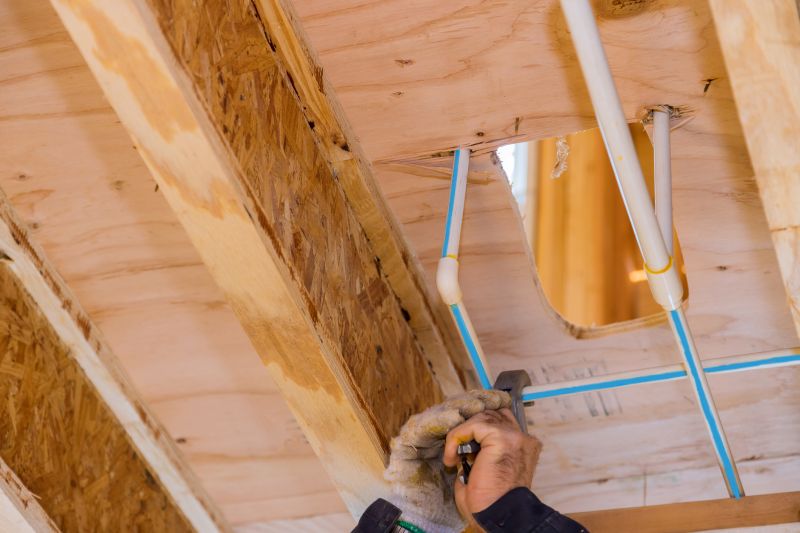
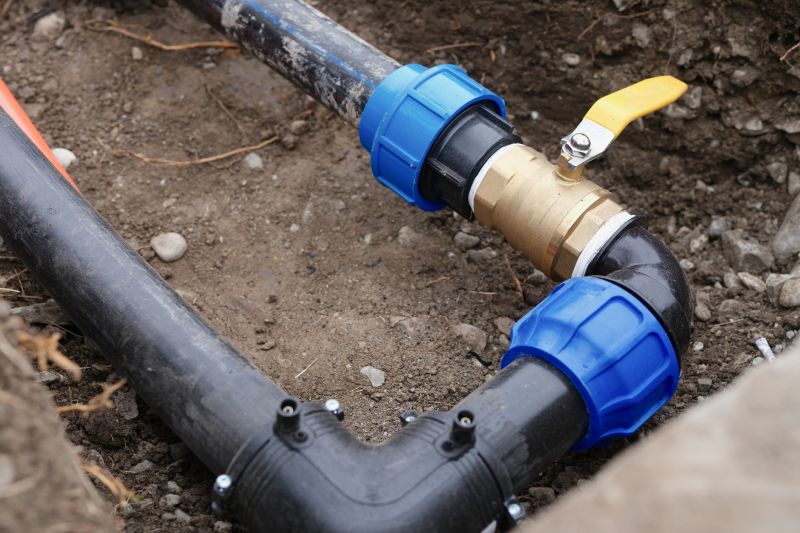
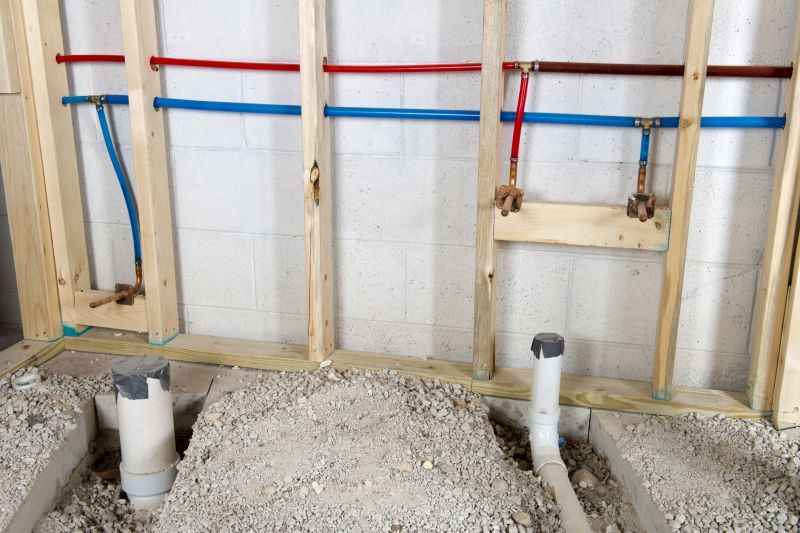
Plumbing line installation services involve setting up the main water supply and drainage lines within a property. This process includes planning the layout, selecting appropriate piping materials, and properly installing pipes to ensure reliable water flow and waste removal. Whether constructing a new home or upgrading an existing system, these services help establish a solid foundation for all plumbing needs, making sure that water reaches fixtures efficiently and safely.
These services are essential for addressing a variety of common plumbing problems. For example, when homes experience low water pressure, frequent leaks, or persistent clogs, it may indicate issues with the main supply lines that require replacement or rerouting. Additionally, properties undergoing renovations or additions often need new or extended plumbing lines to accommodate new fixtures or layouts. Proper installation can prevent future leaks, water damage, and costly repairs caused by outdated or damaged piping systems.
Plumbing line installation is typically needed in residential properties such as single-family homes, townhouses, and multi-unit apartment buildings. It is also relevant for commercial properties like retail stores, offices, or small industrial facilities that require reliable water and waste management systems. Whether a property is new construction or undergoing significant renovation, local service providers can handle the installation to ensure the plumbing system is built to meet the specific needs of the property.
Homeowners should consider plumbing line installation services when experiencing issues with water supply or drainage, or when planning major upgrades to their property’s plumbing infrastructure. Proper installation can improve overall water efficiency, reduce the risk of leaks, and ensure compliance with local building codes. Connecting with experienced local contractors can help identify the right solutions for each property, ensuring a durable and effective plumbing system that supports everyday living needs.
The overview below groups typical Plumbing Line Installation projects into broad ranges so you can see how smaller, mid-sized, and larger jobs often compare in your area.
In many markets, a large share of routine jobs stays in the lower and middle ranges, while only a smaller percentage of projects moves into the highest bands when the work is more complex or site conditions are harder than average.
Smaller Repairs - typical costs for minor plumbing line repairs range from $250 to $600, covering tasks like fixing leaks or replacing small sections of pipe. Many routine jobs fall within this middle range, with fewer projects reaching the higher end.
Partial Replacement - replacing a segment of plumbing lines usually costs between $1,000 and $3,000, depending on pipe material and accessibility. Larger, more complex partial replacements can push costs higher but are less common.
Full Line Replacement - complete replacement of plumbing lines generally falls between $4,000 and $8,000, with larger or more intricate projects potentially exceeding this range. Many local contractors handle full replacements within this typical band.
Custom or Complex Projects - extensive or custom plumbing installations can reach $10,000 or more, especially for large properties or specialized systems. These projects are less frequent but handled by experienced service providers in the area.
Actual totals will depend on details like access to the work area, the scope of the project, and the materials selected, so use these as general starting points rather than exact figures.
Bathroom Plumbing Renovations - local contractors skilled in plumbing line installation can handle rerouting or upgrading bathroom water supply and drainage systems during renovation projects.
Kitchen Plumbing Upgrades - professionals experienced in plumbing line installation can assist with installing new water lines and drainage for kitchen remodels or additions.
Water Heater Installation - plumbers with expertise in line installation are needed to connect new water heaters to existing plumbing systems securely and efficiently.
Sewer Line Repairs - local service providers can perform trenchless or traditional repairs, requiring similar planning and tools as plumbing line installation.
Underground Utility Line Installation - installing underground water, gas, or sewer lines involves similar skills and equipment as above-ground plumbing line work.
Hydronic Heating System Setup - setting up radiant heating systems requires precise plumbing line installation to distribute hot water effectively throughout a building.
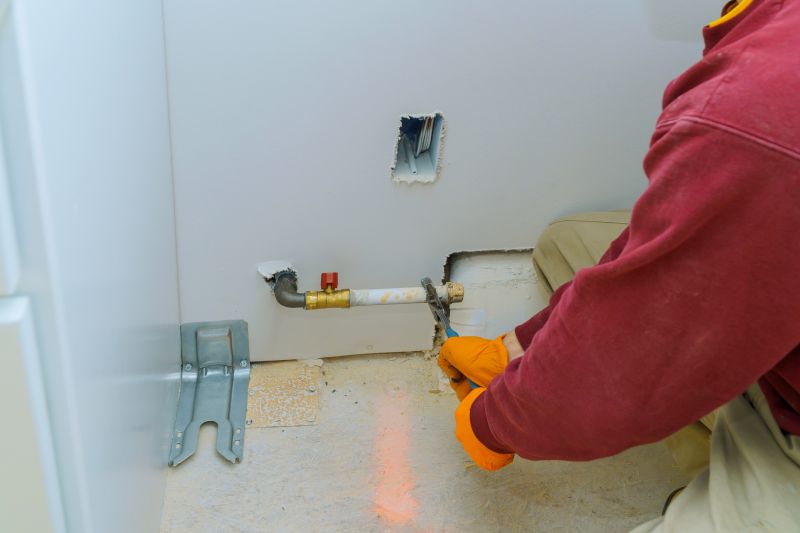
When comparing local contractors for plumbing line installation, it’s important to consider their experience with similar projects. Look for service providers who have a track record of handling plumbing line work comparable to your needs. An experienced contractor will be more familiar with common challenges and best practices, which can help ensure the job is completed efficiently and effectively. Gathering information about their past projects or specialties can provide insight into their expertise and confidence in managing your specific plumbing requirements.
Clear, written expectations are essential for a successful project. When reaching out to local service providers, inquire about their process, scope of work, and what is included in their services. A reputable contractor will be able to communicate their approach in detail, helping to set realistic expectations and avoid misunderstandings. Having these details in writing can serve as a reference throughout the project and ensure everyone is aligned on the goals and deliverables.
Reputable references and good communication are key indicators of reliable local contractors. Ask potential service providers for references from previous clients who had similar work done. Contact these references to learn about their experiences, including the contractor’s professionalism, reliability, and quality of work. Additionally, consider how well the contractor communicates-timely responses, clarity, and willingness to answer questions can make the process smoother. Remember, the site helps connect homeowners with local pros who can handle the work, but it is up to the homeowner to evaluate these qualities when choosing a contractor.
Property owners use Plumbing Line Installation services for practical projects around their homes and businesses. This guide focuses on everyday jobs and straightforward project options.
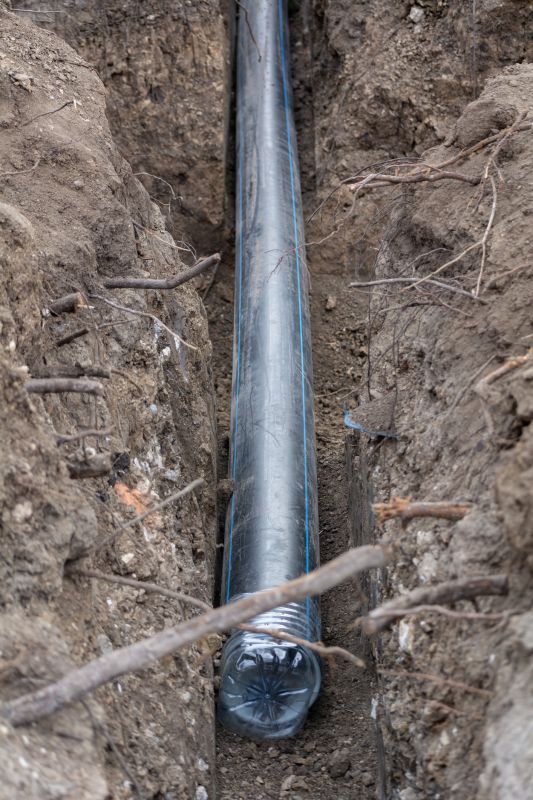
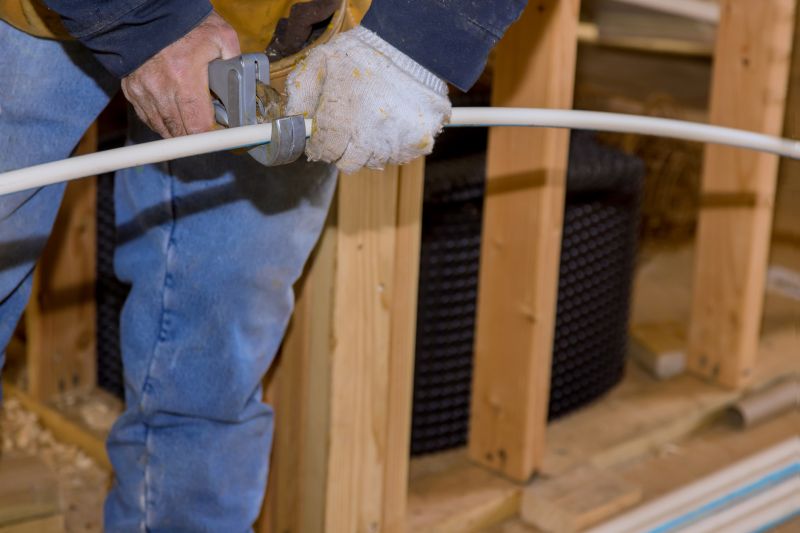
Plumbing line installation services are often needed when property owners are constructing new buildings, remodeling existing spaces, or replacing outdated piping systems. Whether installing new water lines for a kitchen renovation or upgrading main lines to improve flow and reduce leaks, local contractors can handle a variety of project sizes and complexities. These services are essential for ensuring that plumbing systems function properly and meet the specific needs of a property.
Property owners might seek plumbing line installation for routine upgrades, repairs, or to address issues caused by aging infrastructure. In some cases, rerouting lines or adding new connections becomes necessary to accommodate additions or changes in property layout. Local service providers can assist with these projects, providing the expertise needed to complete installations efficiently and effectively.
What is involved in plumbing line installation? Plumbing line installation includes setting up new water supply and drain lines, connecting fixtures, and ensuring proper flow throughout the system. Local contractors can handle the entire process to meet your specific needs.
Can existing plumbing lines be upgraded or extended? Yes, local service providers can upgrade or extend existing plumbing lines to improve performance or accommodate new fixtures, ensuring the system functions correctly.
What types of plumbing lines do service providers install? They install a variety of lines, including copper, PVC, PEX, and other materials suitable for residential or commercial plumbing systems.
Are plumbing line installations suitable for new construction or renovations? Yes, local contractors can handle plumbing line installation for both new construction projects and renovations, adapting to different building requirements.
What should be considered before installing new plumbing lines? Factors such as building layout, water pressure, material compatibility, and local building codes are important considerations for a successful installation handled by experienced contractors.
New Plumbing Line Installation - Property owners can plan to install new plumbing lines during major renovations or home additions to ensure proper water flow throughout the property.
Replacing Old or Damaged Pipes - Local contractors can assist with replacing aging or broken plumbing lines to prevent leaks and improve overall system performance.
Adding Extra Water Outlets - Homeowners might consider installing additional plumbing lines for new sinks, appliances, or outdoor fixtures to increase functionality.
Upgrading Plumbing for Better Water Pressure - Service providers can help upgrade existing lines to enhance water pressure and flow in busy households or commercial spaces.
If you are thinking about Plumbing Line Installation for a property, this guide is meant to help you understand the work, the typical project types, and how different options might fit your plans.
When you are ready, you can use the quote form on this page to share a few details about your project. From there, local pros can review the basics and respond with options that match what you have in mind.